RESEARCH
Cloud Giants Test AI That Cuts Cooling Bills
MIT and Stanford's AI cooling system cuts data center energy use by 35%, with AWS and Google Cloud already running trials.
19 Jun 2026
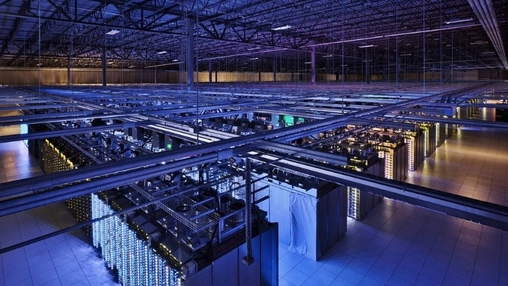
Keeping servers from overheating costs almost as much as running them. For an industry that has quietly become one of the largest consumers of electricity on the planet, that is a problem worth solving. A system developed jointly by researchers at MIT and Stanford, published in Nature Energy on June 15th, 2026, now claims to have done exactly that, reducing cooling energy consumption by 35% through machine learning applied in real time.
The system works by reading temperature shifts and workload patterns continuously, then adjusting cooling output on the fly rather than waiting for static thresholds to be breached. That responsiveness is the core distinction from older energy management tools, which treat cooling as a blunt instrument rather than a variable one. Both AWS and Google Cloud are running active trials, a level of commercial involvement that compresses the usual gap between peer-reviewed finding and real-world deployment.
Dr. Sarah Chen, lead researcher at MIT's Computer Science and Artificial Intelligence Laboratory, said the technology "could reshape energy efficiency standards across the entire data center industry." Her team worked closely with Stanford throughout, combining expertise in machine-learning optimisation and large-scale thermal engineering.
Pressure on the grid has been mounting. Streaming platforms and AI workloads have pushed peak power demand to record highs, making efficient cooling a strategic concern rather than an afterthought. For facilities running tens of thousands of servers, a 35% reduction in cooling energy translates directly into lower operating costs and smaller carbon footprints. Wider adoption could raise the baseline efficiency standard across the global market.
Whether that adoption follows quickly is the harder question. Peer-reviewed validation and active hyperscaler trials are stronger signals than most emerging technologies can claim at this stage. Enterprise customers, who ultimately bear the cost of compute resources through their cloud bills, stand to benefit if the results hold at scale. For now, the data centres are watching the thermometers.
Related News


SUBSCRIBE FOR UPDATES
By submitting, you agree to receive email communications from the event organizers, including upcoming promotions and discounted tickets, news, and access to related events.